In South American mythology, the Amaru is a mythical two-headed animal.
In this context, AMARU 5.0 represents the dual transition in engineering education toward digital and green competencies, in alignment with Industry 5.0.
The specific objectives of AMARU 5.0 are defined as follows:
• to introduce “learning factories” in Latin America as a modern and innovative teaching and learning method;
• to improve the quality of engineering education by strengthening the practical skills of young talent through hands-on training in a business environment;
• to reinforce collaboration between universities and industry/SMEs through practical training for professionals;
• to enhance the digital and green competencies of both faculty and students at Higher Education Institutions (HEIs);
• to accelerate the dual transition within HEIs as well as in industry and SMEs across Latin America.
Furthermore, the project contributes significantly to meeting the countries’ commitments regarding the UN 2030 Agenda’s Sustainable Development Goals (SDGs).
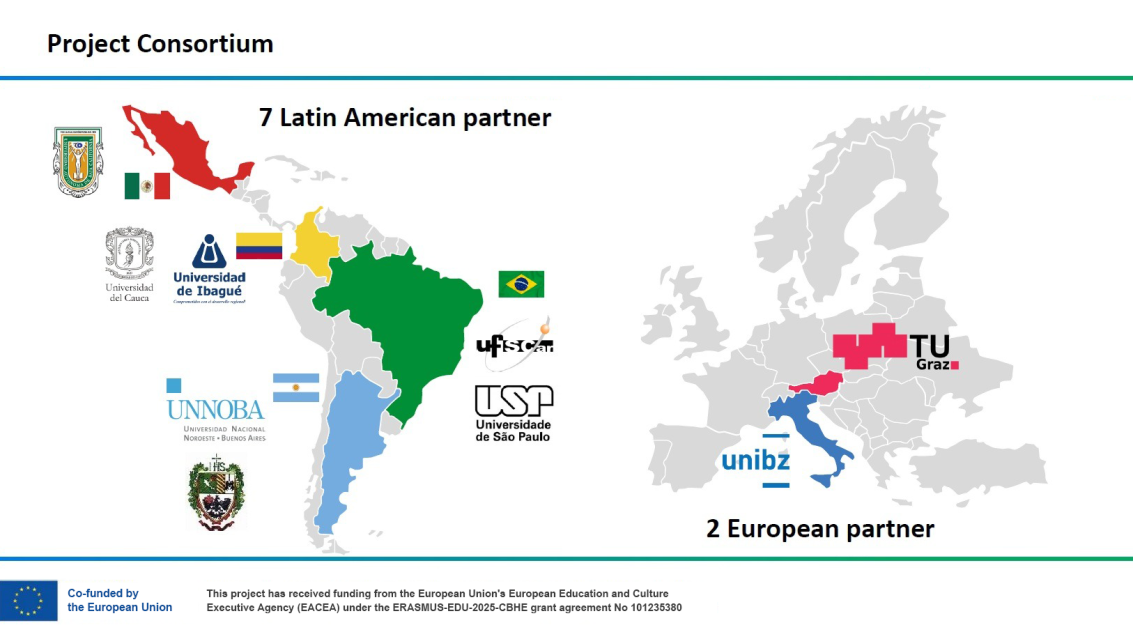
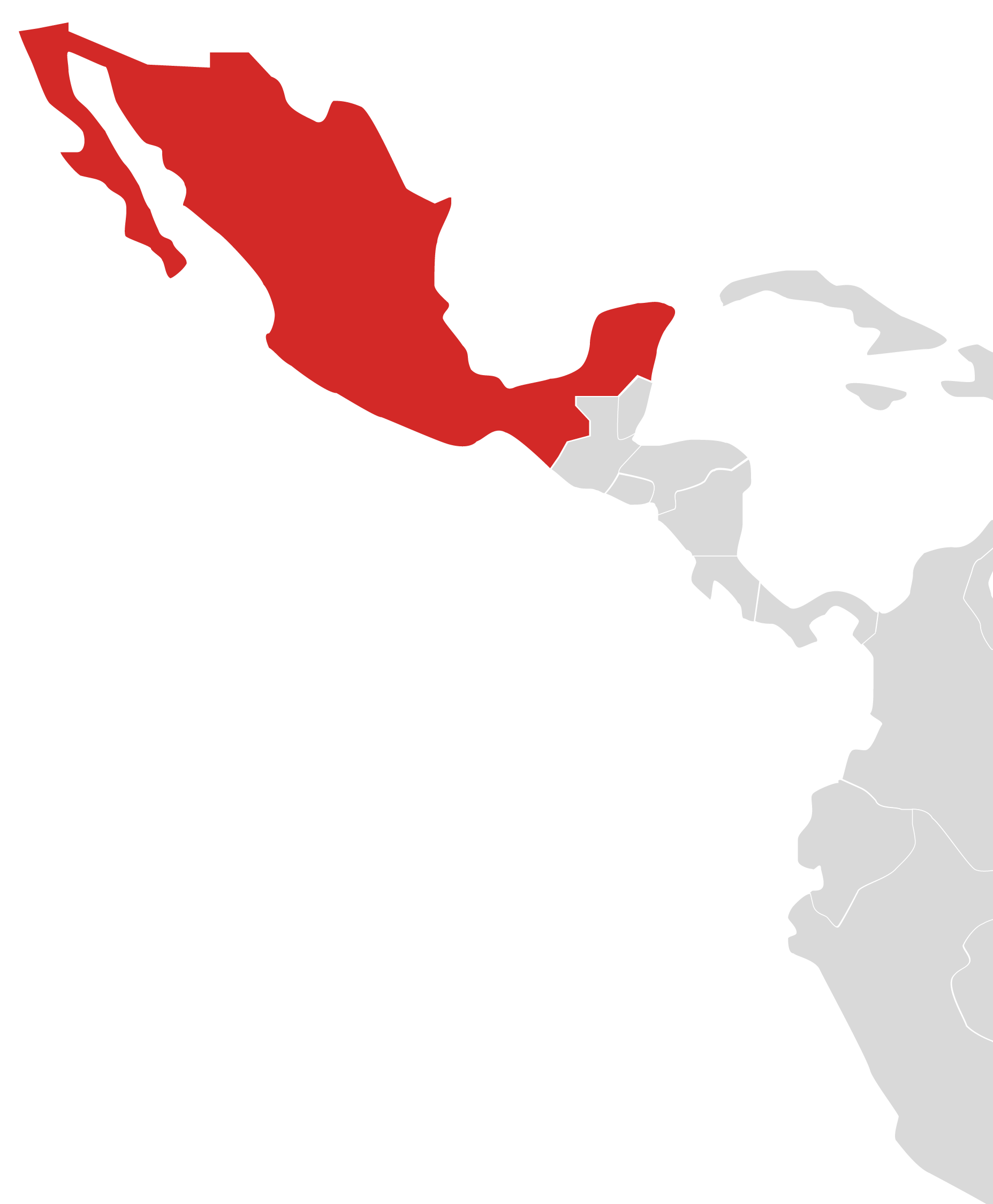
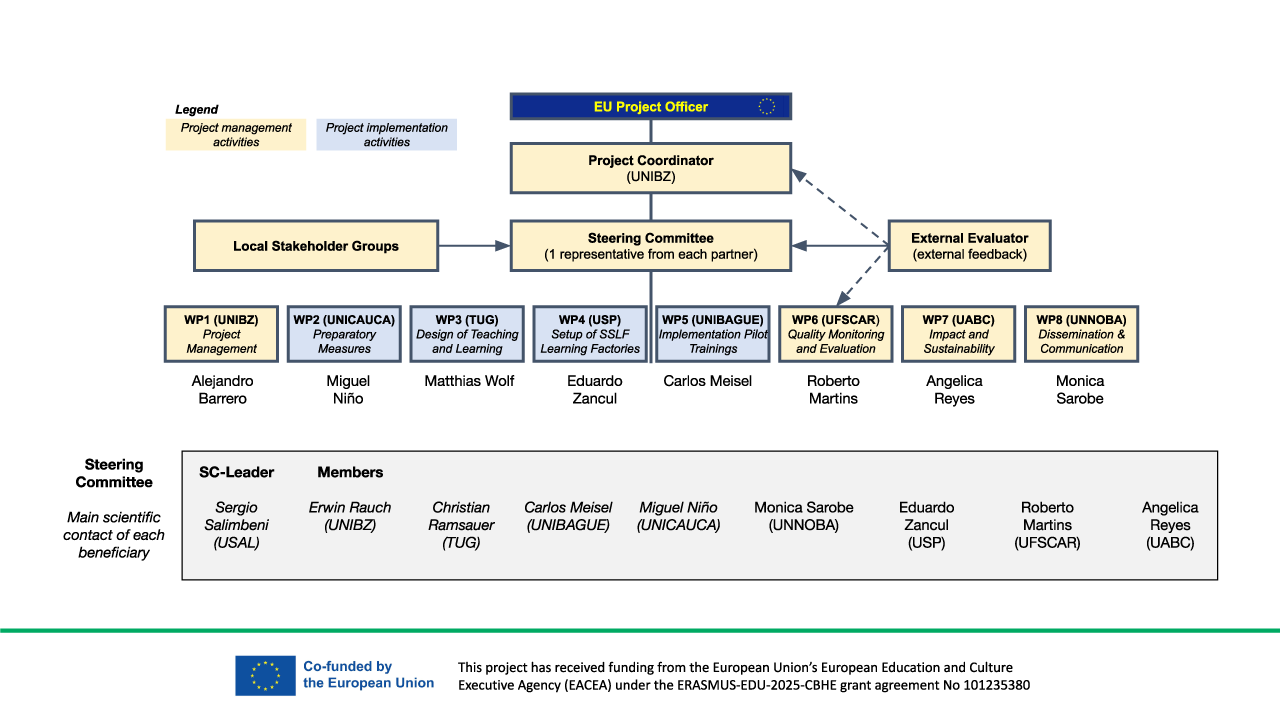
The project entails the creation of seven “Smart and Sustainable Learning Factories” (SSLFs) at seven Latin American HEIs—located in Colombia (2), Argentina (2), Brazil (2), and Mexico (1)—connected through a new Latin American Learning Factory Network (LALFN).
The facilities and spaces for the seven SSLF laboratories are provided through in-kind contributions. The project prepares for the launch of the new LALFN network, including the design, implementation, and operation of innovative, hands-on learning modules, as well as training in digital and green competencies for faculty, students, and professionals from industry and SMEs.
The involvement of an external evaluator and a strong link with the International Association of Learning Factories (IALF) ensure successful implementation.
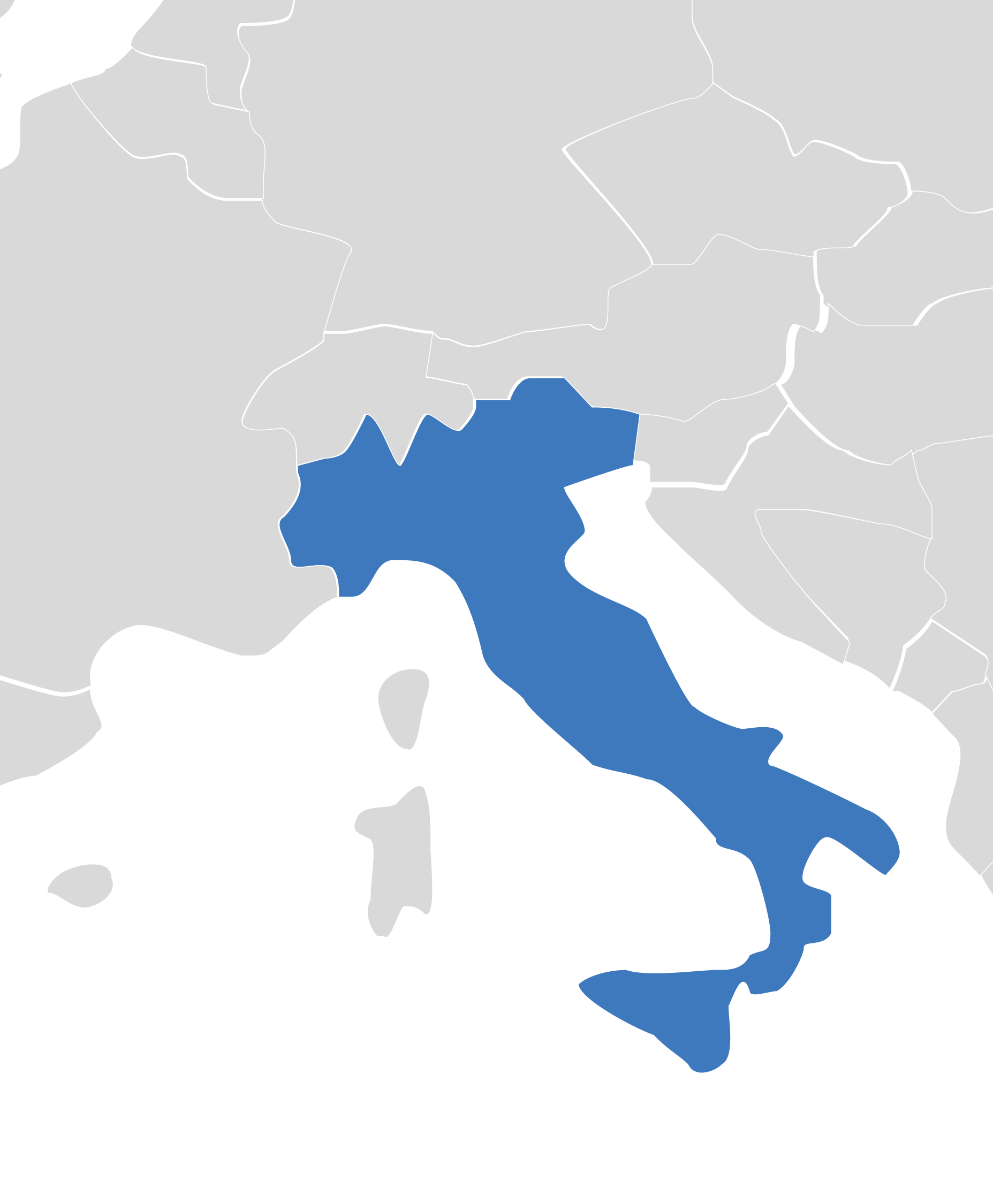
Free University of Bozen-Bolzano
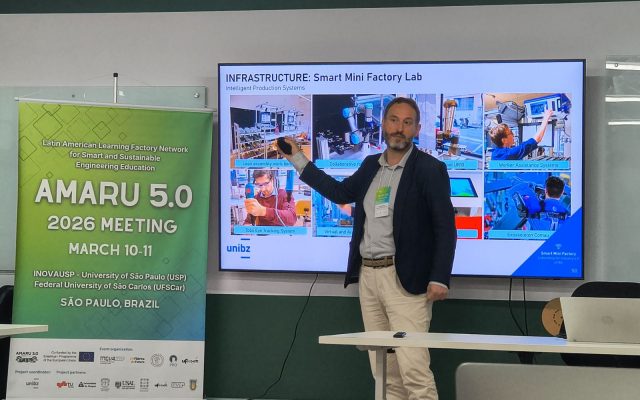
The Free University of Bozen-Bolzano (unibz), founded in 1997, is distinguished by its strong international outlook. This is reflected in its multilingual teaching, offered in German, Italian, and English, and in the high proportion of students and faculty members from around the world.
Its trilingualism in teaching and research, its high level of internationalisation as well as an ideal study environment guaranteed by its excellent facilities are some of the reasons why unibz regularly reaches top positions in national and international rankings.
The university has five faculties and maintains a strong international profile, with 28% of its lecturers and 16% of its students coming from abroad. They are engaged in study, teaching, and research in the fields of Economics, Natural Sciences, Engineering, Social Sciences, Education, and Design. More than 4,500 students are enrolled in over 40 bachelor, master, and PhD programmes.
The taught modules on offer and our research projects are linked to international and inter-regional networks. For example, within the Euregio university project, unibz is partnered with the universities of Innsbruck and Trento, and we are committed to reaching top quality standards.
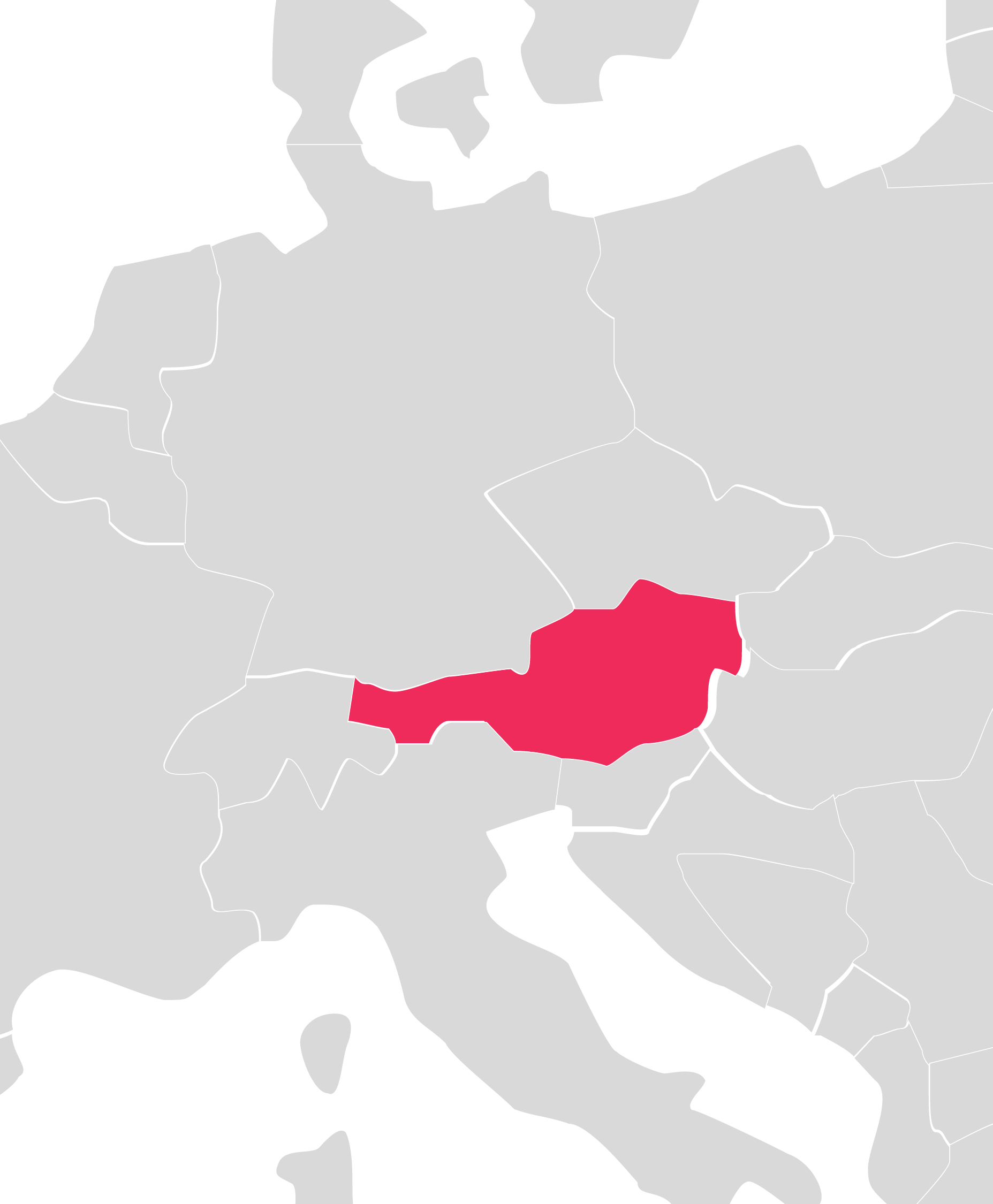
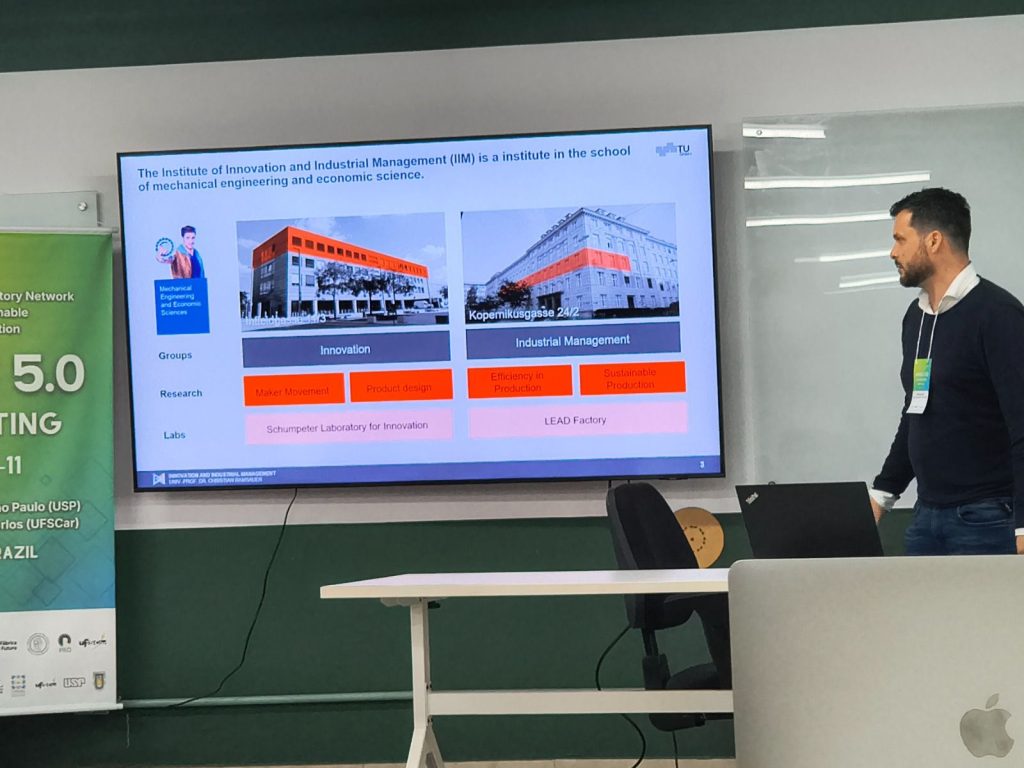
Graz University of Technology
Graz University of Technology is a public university founded in 1811, based in Styria, Austria.
It currently comprises seven faculties. It offers 18 bachelor’s and 33 master’s degree programs (14 of which are taught in English) covering all disciplines in technology and the natural sciences. Doctoral studies are organized across 14 institutes.
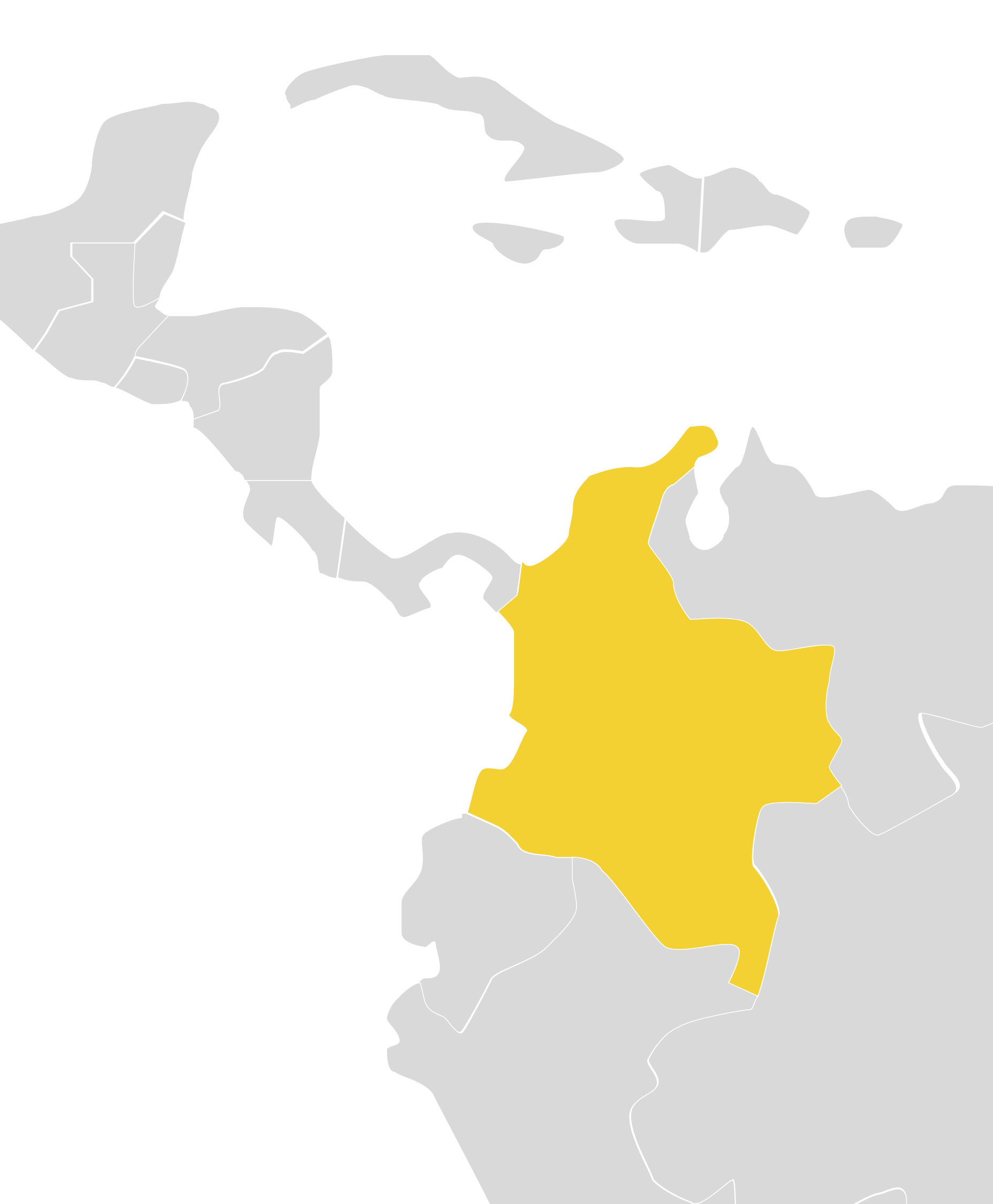
University of Ibagué
The University of Ibagué is a private university based in Ibagué, Colombia. Its mission is to foster the comprehensive development of leaders and entrepreneurs who possess a solid scientific and professional background, are grounded in ethical and moral principles, and are committed to the region’s social, cultural, and economic development. It promotes professional education—without regard to race, nationality, or gender—that seeks the holistic development of the individual and contributes to the sustainable use of the region’s natural resources and the general well-being of the community. Founded on August 27, 1980, the university comprises three faculties offering a total of 17 undergraduate programs. At the graduate level, it offers five specialization programs, eleven master’s programs, and one doctoral program.
Autonomous University of Baja California
The Autonomous University of Baja California (UABC) is a public university founded in 1957, with campuses in Mexicali, Tijuana, and Ensenada, serving the state of Baja California, Mexico. Recognized as one of the leading public universities in northwestern Mexico, UABC is committed to excellence in education, research, innovation, and social engagement. UABC comprises 41 faculties, 8 research institutes, and 5 research centers, serving a community of over 73,000 students supported by more than 1,300 full-time faculty members. The University offers over 200 undergraduate and graduate programs and maintains strong partnerships with universities, research centers, industry, and governments worldwide, fostering international.
University of São Paulo
Founded in 1934, USP is a public university supported by the State of São Paulo and affiliated with the Secretariat of Science, Technology, and Innovation. The talent and dedication of its faculty, students, and staff have been recognized by various global rankings designed to measure university quality based on several criteria, primarily those related to scientific productivity.
This performance—the result of over nine decades of an intense pursuit of excellence—places USP within a select group of world-class institutions. Its undergraduate program comprises 324 courses covering all fields of knowledge, distributed across 43 teaching and research units and serving more than 60,000 students. The graduate program consists of 266 tracks, with approximately 30,000 enrolled students. Currently, USP is responsible for nearly 20% of Brazil’s scientific output.
To carry out its activities, USP operates several campuses distributed across the cities of São Paulo, Bauru, Lorena, Piracicaba, Pirassununga, Ribeirão Preto, and São Carlos, in addition to teaching units, museums, and research centers located outside these areas and in various other municipalities.
Federal University of São Carlos
Established in 1968 and commencing operations on March 13, 1970, it is the first federal higher education institution established in the interior of São Paulo state. With campuses located in São Carlos, Araras, Sorocaba, and Lagoa do Sino, UFSCar is a benchmark in the production and dissemination of knowledge, science, and technology, distinguished by its academic excellence and social commitment.
UFSCar’s mission is to produce and make knowledge accessible through teaching, research, and extension activities, while preserving local, regional, and national memory and cultures. The University seeks to consolidate its position as an institution that generates and disseminates knowledge, promoting scientific and technological progress and serving as a reference in the education of democratic citizens capable of contributing to the transformation and development of a more just and sustainable society.
Currently, it offers 68 on-campus undergraduate programs and 6 distance learning programs across its four campuses, alongside 91 graduate programs (master’s and doctoral degrees) organized into 61 Graduate Programs. The University excels in training professionals across various fields of knowledge through curricula that integrate teaching, extension, and research, ensuring that scientific output remains in constant dialogue with societal needs.
Since its inception, UFSCar has sought to address social demands with innovation and responsibility. Through policies focused on affirmative action, internationalization, valuing diversity, digital inclusion, and environmental respect, the University commits to contributing to sustainable development and the education of critical, conscious, and engaged citizens.
UFSCar also leads initiatives aimed at sustainability and environmental preservation, integrating these practices into its academic and administrative activities. With a track record marked by innovation and inclusion, UFSCar reaffirms its position as a tuition-free public institution of excellence that promotes democratic access to higher education and actively contributes to building a more egalitarian, compassionate, and sustainable society.
University of Salvador
The Universidad del Salvador (USAL) is a private Argentine university affiliated with the Catholic Church, with its main campus located in the City of Buenos Aires. Founded over 65 years ago, it has campuses in the City of Buenos Aires, the Province of Buenos Aires, and the Province of Corrientes. It currently offers more than 70 undergraduate degree programs and over 80 postgraduate programs across multiple faculties, covering diverse fields of study such as the arts, economics, law, social sciences, engineering, and health sciences.
National University of the Northwest of Buenos Aires
As a 21st-century public university, the National University of the Northwest of Buenos Aires Province (UNNOBA) aims to preserve, create, and transfer knowledge, culture, and technology democratically, ensuring that anyone willing to put in the effort to study has the necessary means to do so.
Based in the cities of Junín and Pergamino, UNNOBA is situated in a region of agricultural and livestock production that is of great economic importance to the country. Its geographic location is ideal for fostering ties with agro-industrial, agri-food, and socioeconomic development.
Since its inception in 2002, the university has promoted a wide range of educational programs linked to the region’s socio-productive development. It currently offers 21 degree programs in fields such as computer science, engineering, design, food science, agronomy, genetics, economics, law, and health. Its educational offerings are complemented by the Postgraduate Institute, which provides courses, diploma programs, specializations, master’s degrees, and doctorates aimed at strengthening the high-quality training of human resources from across the country.
Of its more than 5,000 graduates, 51% completed programs considered high-priority, thereby generating a significant impact on local and regional development.
UNNOBA also operates a secondary school—the Presidente Domingo Faustino Sarmiento School—which has an open-access policy. In 2023, the school was named one of the top ten in the world in the “Environmental Action” category of the World’s Best School Prizes.
Outreach, territorial expansion, and community engagement Through its Territorial Expansion Plan, the university offers academic and outreach activities in more than 15 towns across the northwest of Buenos Aires Province.

Representatives from the member universities of the Latin American Learning Factory Network for Smart and Sustainable Engineering Education (AMARU 5.0)…
The aim of the ICARUS KA2 Erasmus+ project is to develop an open and digital training toolbox which can be utilised…
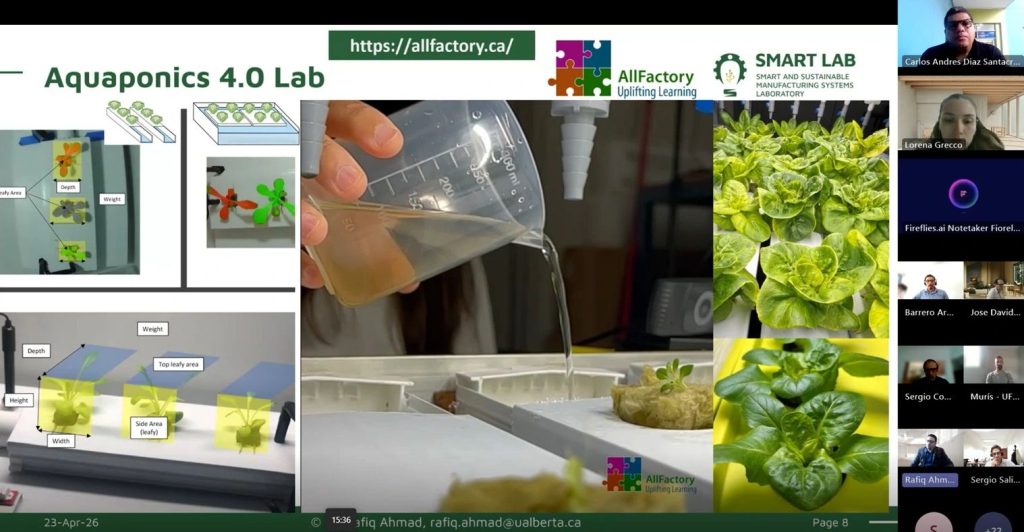
AllFactory is the only learning factory in the world focusing on autonomous aquaponics from the engineering perspective…
The University of São Paulo presented “Fábrica do Futuro” (Factory of the Future), the University of Bolzano presented…